Why the Grade Gets Settled Before Anything Gets Planted
The prettiest planting plan cannot fix a yard that was never graded to move water away from the house.
September 10, 2026 · 4 min read
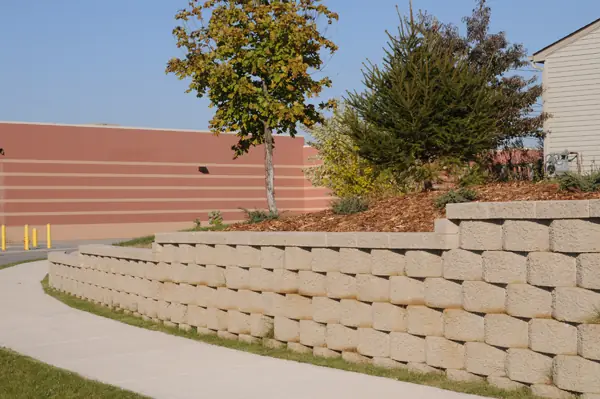
It is tempting to think about landscaping as a plant list. What kind of shrub, what colour annuals, how much lawn. Underneath all of that is a much less exciting decision that matters more than any of it: which direction does water move when it rains. Get that wrong and no amount of good planting fixes it, because water finds the low point of a property regardless of what is planted around it, and if that low point happens to be against a foundation, a walkway, or a neighbour's property line, that is where the problem shows up every time it rains.
Finish grade is a decision, not a leftover step
Finish grade is the final shape of the soil surface after construction and before sod or seed goes down. On a lot that has just had a house built on it, or an older lot that has settled unevenly over years, that shape does not happen by accident. It is cut and filled deliberately so water sheds away from the foundation and toward wherever it is supposed to go, usually a swale, a storm drain, or simply the lowest corner of the lot. Skip that shaping and rely on whatever contour the lot happens to have, and water settles wherever gravity puts it, which is very often right against the house.
What computer landscape design is actually solving
A & T offers computer landscape design so a homeowner or business can be part of shaping the plan before anything goes in the ground, working from the professional team's experience alongside the client's own ideas. The value of doing that at the design stage rather than after planting is that grading, bed placement and drainage get worked out together on paper, where moving a bed six feet or adjusting a slope costs nothing, instead of getting discovered after a bed is already planted and a puddle keeps forming in it every spring.
Rockford's clay makes drainage decisions less forgiving
Clay-heavy soil does not absorb water quickly the way a sandy soil would. Rain that would soak into looser ground within an hour can sit on top of clay, or move very slowly through it, for a full day or more. That means small grading mistakes that might never show up on a fast-draining lot become standing water and soggy turf on a Rockford lot, right in a spot that looked fine on a dry day when the plan was first walked. Planning grade and drainage with the actual soil in mind, not a generic assumption about how water moves, is part of what the design stage is for.
Planting comes after the ground is right, not before
Seed and sod both need a prepared finish grade to establish properly, and planting beds need soil that will not sit wet against the root ball of whatever goes into it. Installing planting on top of poor grading might look fine for a season, but grass that sits in standing water thins out, and shrubs planted in a low spot with no drainage tend to struggle or fail within a year or two, not because the plant was wrong but because the ground underneath it was never right in the first place.
That is also where the palm trees and colourful annuals A & T is known for locally fit into a plan properly, set into beds that were graded and drained correctly rather than dropped into whatever spot looked open, which is the difference between a planting that thrives through a Rockford summer and one that fights the ground it was put into all season.
Grading is not something a homeowner can eyeball from the porch
It is hard to judge grade by standing in a yard on a dry afternoon, because the problem only shows itself during and right after a real rain. A slope that looks flat enough to the eye can still be carrying water toward a foundation wall at a rate that only becomes obvious once a basement or crawl space starts showing dampness a few years later. That is part of why grading gets worked out with a plan rather than by instinct, whether that is a formal computer landscape design or simply a conversation on site before any digging starts, so the water's path is decided on purpose instead of discovered by accident.
An older Rockford lot has its own history to account for
New construction is not the only situation where grade matters. A lot that has been settled for decades has usually shifted a little every year, tree roots have lifted sections of soil, old beds have been dug and filled unevenly over multiple owners, and a downspout extension someone added years ago may be dumping water in a spot nobody planned for. Revisiting the grade on an established property before a major planting or hardscape project catches problems that built up slowly, long before they get blamed on whatever gets planted there next.
A & T Lawncare and Landscaping, Inc., (815) 509-4566
Call (815) 509-4566More articles
Why Retaining Walls Lean and Bow in Rockford's Clay
A bowing retaining wall is almost never a block problem. It is a water problem that started years before anyone noticed.
What Makes a Paver Patio Sit Flat for Twenty Years
The pavers on top get all the attention. The four inches underneath them decide whether the job lasts.